How to Track Worker Compliance Expiry Dates Without Spreadsheet Chaos
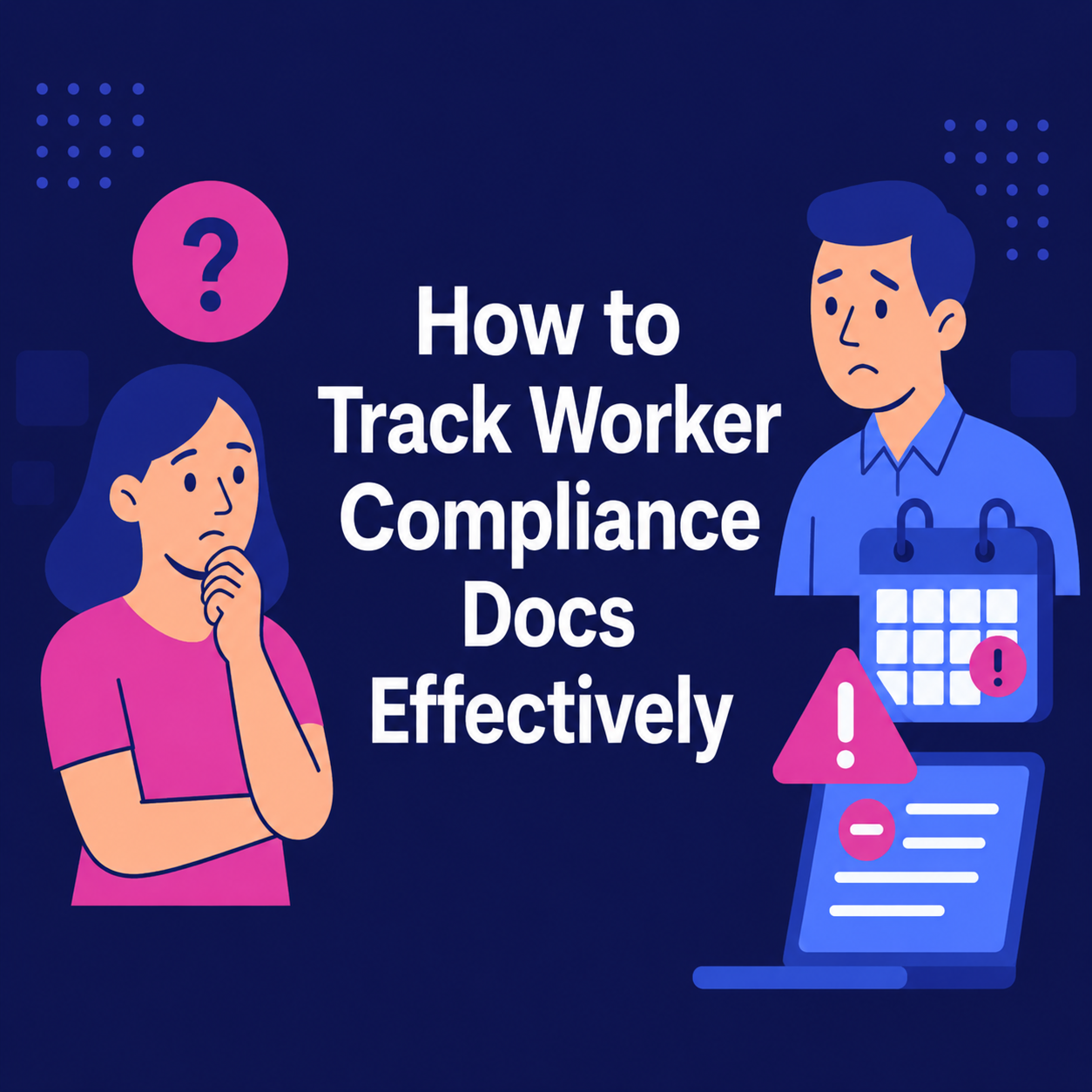
For NDIS providers, keeping track of worker compliance documents is one of those critical tasks that can quickly spiral into chaos. When certifications expire without warning, you're not just risking an audit failure—you're putting your entire service delivery at risk. Many providers still rely on spreadsheets to manage their NDIS worker compliance tracker, but this approach creates more problems than it solves.
In this article:
The reality is that most NDIS providers manage dozens of workers, each with multiple compliance documents that expire at different times. From NDIS Worker Screening Checks to First Aid certificates, the administrative burden of tracking these dates manually becomes overwhelming fast. Let's explore why spreadsheet-based tracking fails and what you can do instead.
The Hidden Costs of Spreadsheet-Based Compliance Tracking
Spreadsheets seem like a logical solution at first. They're familiar, accessible, and free. But as your organisation grows, the cracks begin to show. Here's what typically happens when providers rely on spreadsheets as their primary NDIS worker compliance tracker:
- Version control nightmares: Multiple team members update different versions of the same spreadsheet, leading to conflicting information about which documents are current
- No automated reminders: Someone has to manually check the spreadsheet regularly and remember to follow up on upcoming expiries
- Human error: Data entry mistakes, missed updates, and forgotten expiry dates slip through the cracks
- Time wastage: Administrative staff spend hours each week updating and cross-checking compliance information
- Limited accessibility: Managers can't quickly verify compliance status when rostering shifts or responding to client requests
The administrative overhead alone costs providers thousands of dollars annually in wasted staff time. But the real cost comes when expired documents go unnoticed.
What Happens When Compliance Documents Expire
When a worker's compliance documentation lapses without anyone noticing, the consequences can be severe. NDIS providers face multiple risks that extend beyond simple administrative inconvenience.
Regulatory and legal exposure tops the list. Operating with workers whose credentials have expired violates NDIS Practice Standards and can result in registration sanctions, financial penalties, or loss of provider status. During audits, compliance gaps in NDIS worker document tracking are among the most commonly cited issues.
Service disruption occurs when you discover mid-shift that a worker's documents have expired. You're forced to pull them from the roster immediately, leaving clients without support and scrambling to find replacement staff. This damages your reputation and client relationships.
Insurance implications can be devastating. Many insurance policies require current compliance documentation. If an incident occurs while a worker has expired credentials, your claim may be denied, leaving you personally liable.
Staff morale suffers when workers are suddenly stood down due to expired documents they weren't reminded about. This creates resentment and increases turnover in an already challenging recruitment environment.
Common Challenges in NDIS Staff Compliance Management
Beyond spreadsheet limitations, NDIS providers face several specific challenges when managing worker compliance:
- Multiple document types: Each worker needs NDIS Worker Screening, First Aid, CPR, relevant qualifications, police checks, and potentially specialised certifications—all with different expiry dates
- Varying renewal timeframes: Some documents expire annually, others every two to three years, making it difficult to maintain a consistent checking schedule
- Worker responsibility vs provider oversight: While workers should maintain their own documents, providers remain ultimately responsible for ensuring compliance
- Document verification: Confirming the authenticity of submitted documents adds another layer of administrative work
- Onboarding bottlenecks: New workers can't start until all compliance documents are verified and recorded, but manual processes slow this down
These challenges compound when you're managing a growing team. What worked for five workers becomes unmanageable with fifteen or twenty.
A Better Way to Track Worker Document Expiry Dates
Modern NDIS worker compliance tracker systems eliminate spreadsheet chaos by automating the entire process. Here's what effective NDIS staff compliance management looks like:
- Centralised document storage: All worker credentials stored securely in one place, accessible by authorised staff from any device
- Automated expiry alerts: The system sends reminders to both workers and managers well before documents expire, with escalating notifications
- Real-time compliance visibility: Managers can instantly see which workers have current documentation before assigning shifts
- Compliance reporting: Generate compliance status reports for auditors or management with a single click
- Mobile access: Workers can upload new documents directly from their phones, streamlining renewal processes
The key is choosing a system designed specifically for care providers rather than generic document management tools. Purpose-built NDIS worker document tracking integrates with your rostering and operations, preventing non-compliant workers from being scheduled automatically.
This approach transforms compliance from a constant source of stress into a background process that runs smoothly without constant manual intervention. Your administrative staff reclaim hours each week, and you sleep better knowing expiry dates won't slip through the cracks.
Frequently Asked Questions
How far in advance should I receive alerts about expiring NDIS worker compliance documents?
Best practice is to receive first alerts 60-90 days before expiry, with follow-up reminders at 30 days, 14 days, and 7 days. This gives workers adequate time to complete renewals and allows you to plan for potential gaps in your roster. A good NDIS worker compliance tracker should allow you to customise these timeframes based on your organisation's needs.
What compliance documents do NDIS workers need to maintain?
At minimum, NDIS workers require an NDIS Worker Screening Check, current First Aid and CPR certification, and relevant qualifications for their role. Depending on your services, you may also need Working with Children Checks, police checks, vehicle registration and insurance documents, medication administration certificates, or specialised training certifications. Your NDIS staff compliance tracking system should accommodate all document types relevant to your service delivery.
Can I schedule shifts for workers whose documents are about to expire?
Workers must have current, valid documentation for all shifts they work. If a document expires mid-week, the worker cannot legally work shifts after that expiry date, even if they were rostered before expiration occurred. A robust NDIS worker document tracking system will flag these scheduling conflicts automatically, preventing you from accidentally rostering non-compliant workers.
Who is responsible for tracking worker compliance—the provider or the worker?
While workers should take personal responsibility for maintaining current credentials, the NDIS provider holds ultimate responsibility for ensuring all workers have valid compliance documentation. During audits, providers cannot excuse gaps by saying workers failed to notify them. This is why having a reliable NDIS worker compliance tracker is essential—it creates accountability for both parties while giving providers the oversight they need.
How do digital compliance trackers improve audit readiness?
Digital systems create automatic audit trails showing when documents were uploaded, verified, and renewed. You can generate comprehensive compliance reports instantly rather than scrambling to compile information from multiple spreadsheets. This demonstrates to auditors that you have robust systems in place and significantly reduces the time and stress involved in audit preparation.
TamCare is a mobile-first care app for NDIS providers. We help providers manage rostering, invoices, care notes, timesheets, and much more.