What to Do When a Support Worker Doesn't Show Up
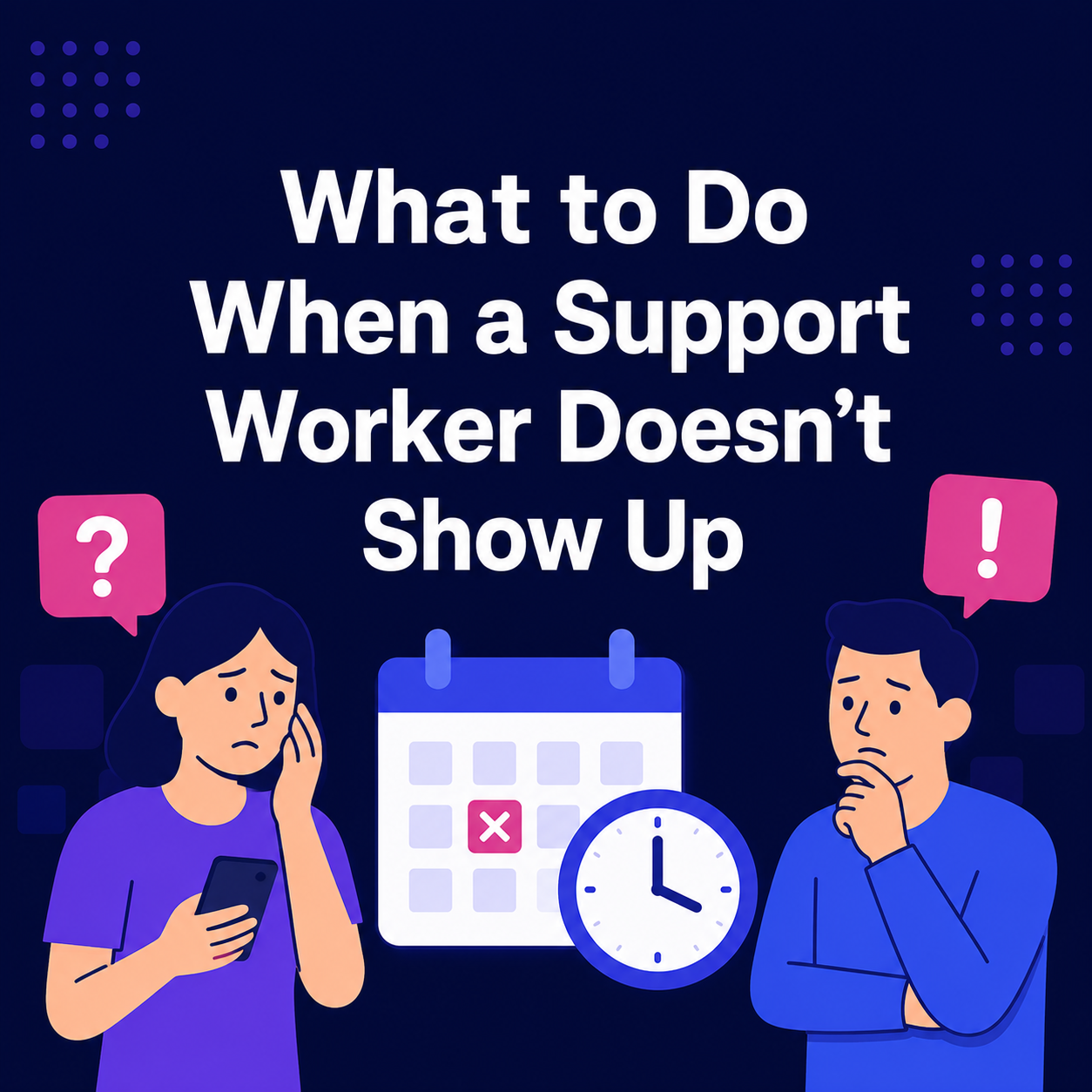
Few things are more stressful for NDIS providers than discovering a support worker no show NDIS scenario minutes before a scheduled shift. When a support worker doesn't show up, the impact ripples across your entire operation—from disappointed participants to scrambling staff and potential compliance issues. This guide walks you through exactly what to do when facing a missed NDIS shift, providing a practical decision tree to handle these high-pressure situations with confidence.
In this article:
When a support worker doesn't arrive as scheduled, time is of the essence. Your response in those critical first moments can mean the difference between a minor inconvenience and a major service failure. Having a clear protocol ensures your team can act decisively, maintaining service quality even when your roster encounters unexpected disruptions.
Immediate Actions: The First 15 Minutes
The moment you realize you have a support worker no show NDIS situation, follow this decision tree:
- Minute 1-3: Attempt to contact the absent worker via phone, SMS, and any emergency contact numbers. Check your systems for any last-minute leave requests or notifications you might have missed.
- Minute 4-5: Assess shift criticality. Is this a high-priority participant with complex needs? Does the shift involve medication administration or personal care that cannot be delayed?
- Minute 6-10: If the worker remains unreachable and the shift is critical, activate your contingency plan immediately. Contact your on-call coordinator or shift supervisor.
- Minute 11-15: Begin outreach for NDIS shift cover while simultaneously informing the participant or their family about the situation.
Speed matters, but so does maintaining professional composure. Your immediate response sets the tone for how participants perceive your reliability and crisis management capabilities.
Finding NDIS Shift Cover Fast
When dealing with a missed NDIS shift, having a systematic approach to finding replacement staff is crucial:
- Maintain a reserve list: Keep an updated list of support workers who are available for short-notice shifts, with their qualifications and participant compatibility noted.
- Use your rostering software: Modern platforms can instantly identify available workers who match the required skills and have worked with the participant before.
- Contact in order of suitability: Prioritize workers who already know the participant, then those with relevant experience, then any available qualified staff.
- Consider partial coverage: If finding full shift coverage proves impossible, arrange for partial support or compress the most essential tasks into a shorter visit.
- Network with other providers: In genuine emergencies, trusted partner organizations may be able to assist with temporary coverage.
Document every attempt you make to secure coverage. This creates an audit trail demonstrating your commitment to service delivery and due diligence in managing the situation.
Communicating with Participants and Families
Transparent communication is essential when managing a support worker absent situation. Contact the participant or their guardian as soon as you know coverage is uncertain:
- Explain the situation honestly without over-sharing details about the absent worker
- Outline the steps you're taking to resolve the situation
- Provide realistic timeframes for when they can expect an update
- If sending a different worker, share their name, photo, and relevant experience
- Offer alternatives if immediate coverage isn't possible, such as rescheduling or arranging a later shift
Remember that participants may feel anxious about receiving care from an unfamiliar worker. Provide reassurance about the replacement worker's qualifications and, if possible, facilitate a brief introduction call before the shift begins.
Documentation and Follow-Up
Proper documentation protects both your organization and your participants when dealing with a support worker no show NDIS incident:
- Record the exact time you became aware of the no-show
- Log all contact attempts with the absent worker
- Document communications with the participant and family
- Note all efforts made to secure replacement coverage
- Record the final outcome and any service delivery impacts
After the immediate crisis is resolved, schedule a follow-up conversation with the absent worker to understand what happened. There may be legitimate reasons—medical emergencies, family crises, or technology failures. However, patterns of unreliability require formal performance management processes.
Preventing Future No-Shows
While you can never eliminate all no-shows, you can significantly reduce their frequency:
- Implement automated shift reminders: Send SMS and app notifications 24 hours and 2 hours before each shift
- Require shift confirmation: Ask workers to confirm attendance within 12 hours of their shift
- Build buffer capacity: Maintain a roster with 10-15% excess capacity to absorb unexpected absences
- Foster engagement: Workers who feel valued and connected to their organization are less likely to simply not show up
- Address issues early: If a worker shows concerning patterns like frequent lateness or last-minute cancellations, intervene before it escalates to no-shows
Technology plays a crucial role in prevention. Modern care management systems can track attendance patterns, flag potential reliability issues, and automate much of the communication that keeps workers engaged and accountable.
Frequently Asked Questions
What are my legal obligations when a support worker no show NDIS situation occurs?
You must demonstrate reasonable efforts to fulfill your service agreement with the participant. This includes attempting to contact the absent worker, seeking alternative coverage, communicating transparently with the participant, and documenting all actions taken. While you cannot guarantee 100% attendance, you must show you have systems in place to minimize disruptions and respond appropriately when they occur.
Should I discipline a support worker after their first missed NDIS shift?
Not necessarily. First, establish why the no-show occurred. Genuine emergencies happen, and technology can fail. However, if the worker failed to follow your notification procedures or the absence was preventable, a formal conversation about expectations is appropriate. For repeated incidents, follow your progressive discipline policy.
How can I find NDIS shift cover at short notice?
Maintain a list of casual or part-time workers who have indicated availability for emergency shifts. Use rostering software that can instantly identify available staff with appropriate qualifications. Consider establishing reciprocal arrangements with other local providers for genuine emergencies. Some providers also work with specialist NDIS staffing agencies for last-minute coverage.
What should I tell the participant about why their support worker is absent?
Keep it professional and focused on solutions. You might say: "Unfortunately, [worker name] is unable to attend today's shift. We're working to arrange alternative support and will keep you updated every 30 minutes." Avoid sharing personal details about the worker or making excuses. If coverage cannot be arranged, apologize sincerely and work with the participant to reschedule or adjust their support plan.
How do I prevent a support worker no show NDIS pattern from developing?
Implement automated shift confirmations and reminders. Track attendance metrics for all workers and identify concerning patterns early. Create a workplace culture where workers feel comfortable communicating scheduling conflicts in advance. Ensure competitive pay and conditions that motivate reliable attendance. Finally, use technology that makes it easy for workers to view their schedules, request changes, and communicate issues before they become no-shows.
TamCare is a mobile-first care app for NDIS providers. We help providers manage rostering, invoices, care notes, timesheets, and much more.