Why Hasn't NDIS Paid Me Yet? Understanding Payment Delays
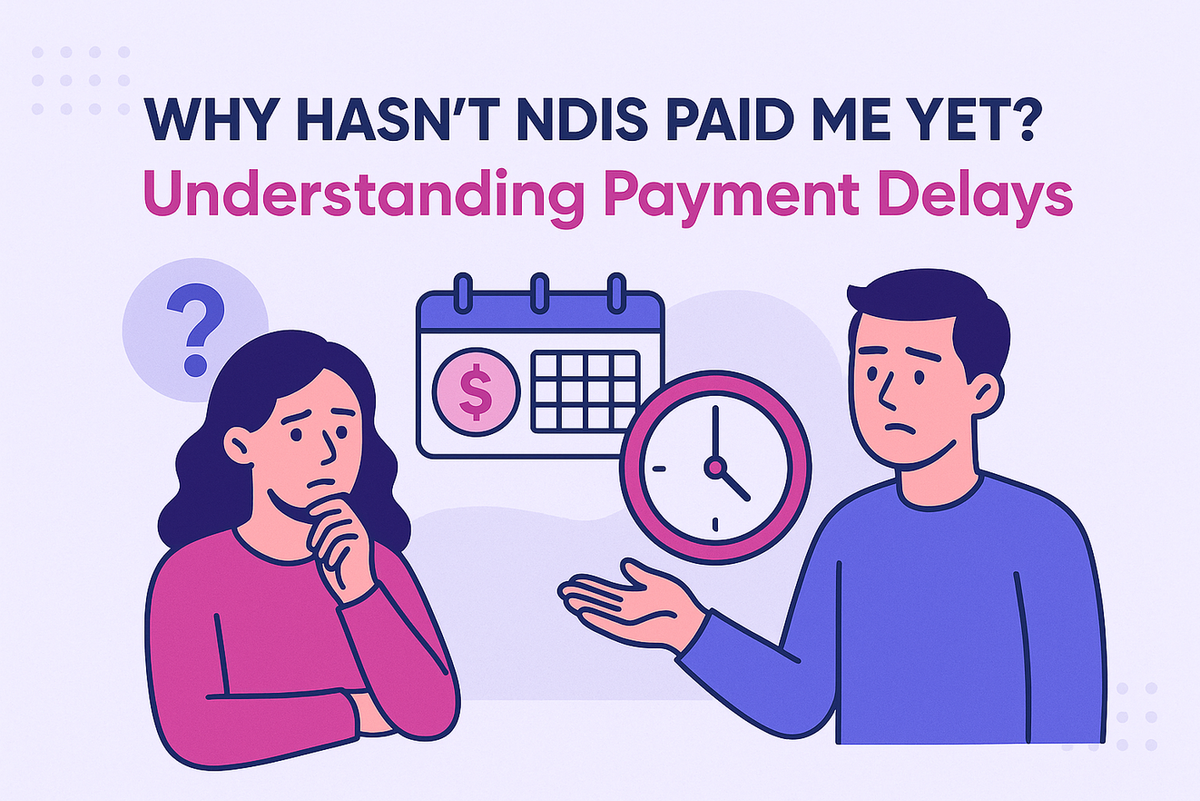
If you're an NDIS provider waiting for payment, you're not alone. Many providers experience frustration when their NDIS payment not received on time affects their ability to pay staff and maintain operations. Understanding why NDIS payment delays occur and how to resolve them is crucial for maintaining healthy cash flow and running a sustainable service.
In this article:
Payment delays can stem from various issues, ranging from simple administrative errors to more complex compliance problems. The good news is that most payment delays are preventable with proper systems and understanding of NDIS processes. Let's explore the most common causes and practical solutions to get your payments flowing smoothly.
Common Reasons for NDIS Payment Delays
Understanding why your NDIS payment not received is the first step to resolving the issue. Here are the most frequent causes:
- Incorrect invoice details: Missing or incorrect participant information, plan numbers, or provider registration numbers can cause automatic rejection of claims.
- Insufficient plan funds: The participant's NDIS plan may have exhausted funds in the relevant budget category, preventing payment processing.
- Service agreement issues: Claims submitted without a valid service agreement in place or for services not covered in the agreement will be rejected.
- Support coordination holds: Some participants have support coordination requirements where claims need approval before payment.
- Claiming timeframes: Claims submitted outside the allowable timeframe (typically 90 days from service delivery) may be rejected or require additional review.
- Technical system errors: Occasionally, the NDIS payment system experiences technical issues that cause processing delays.
Proper invoicing practices are essential to avoid these common pitfalls. Many providers find that switching to automated invoicing systems significantly reduces errors and speeds up payment processing.
How to Check Your Payment Status
When experiencing NDIS payment late situations, knowing how to track your claim status is vital:
- NDIS Provider Portal: Log into the myplace provider portal to view claim status, rejection reasons, and payment schedules.
- Payment advice notifications: Check your registered email for payment advice notifications that detail processed claims.
- Bank account monitoring: NDIS payments typically process within 3-5 business days after approval, so monitor your nominated bank account.
- Contact the NDIA: If you cannot determine the issue through the portal, contact the NDIA on 1800 800 110 for provider payment enquiries.
Regular monitoring of your claims helps identify NDIS payment delays early, allowing you to address issues before they impact your business operations.
Preventing Future Payment Delays
Prevention is always better than cure when it comes to NDIS cash flow management. Implement these practices to minimize payment issues:
- Verify participant details: Always confirm plan numbers, funding availability, and service agreement details before delivering services.
- Submit claims promptly: Process and submit invoices within 7 days of service delivery to avoid timeframe issues and improve cash flow.
- Use validated claiming software: Invest in NDIS-compliant software that validates claims before submission, reducing rejection rates.
- Maintain accurate records: Keep detailed service delivery records, signed session reports, and communication logs to support claims if questioned.
- Regular plan reviews: Check participant plan funding regularly to ensure sufficient budget remains for ongoing services.
- Clear service agreements: Ensure all service agreements are current, signed, and accurately reflect the services you're providing.
Managing Cash Flow During Delays
Even with best practices, occasional delays happen. Here's how to manage your NDIS cash flow effectively:
- Maintain cash reserves: Build a buffer of 30-60 days operating expenses to weather payment delays without stress.
- Stagger invoicing: Submit claims regularly throughout the month rather than in one batch to create steadier payment flow.
- Invoice tracking systems: Implement robust tracking to identify overdue payments quickly and follow up promptly.
- Communicate with participants: Keep participants informed about plan funding status to avoid service interruptions.
- Consider funding options: Explore invoice financing or business lines of credit as backup options for severe cash flow disruptions.
Smart cash flow management protects your business from the impact of unexpected NDIS payment delays and ensures you can continue providing quality services.
Frequently Asked Questions
How long should I wait before following up on NDIS payment not received?
You should check your claim status in the provider portal within 5-7 business days of submission. If the claim shows as approved but payment hasn't arrived within 5 business days, contact the NDIA. For claims still showing as pending after 10 business days, follow up to identify any issues.
What should I do if my NDIS payment late is due to incorrect invoice details?
If your claim was rejected due to errors, correct the information and resubmit immediately. Common errors include wrong plan numbers, incorrect support item numbers, or missing service dates. Use the rejection reason provided in the portal to identify exactly what needs correction.
Can I claim for services if the participant's plan has no funds remaining?
No, you cannot claim against a plan with insufficient funds. However, you can request a plan reassessment or budget reallocation through the participant's support coordinator or LAC. Always verify funding availability before continuing services to avoid providing unfunded supports.
How can I improve my NDIS cash flow and avoid payment issues?
Implement automated invoicing systems that validate claims before submission, submit invoices weekly rather than monthly, maintain accurate service agreements, and regularly verify participant plan funding. These practices significantly reduce NDIS payment delays and create more predictable cash flow.
What happens if I miss the 90-day claiming deadline?
Claims submitted after 90 days from service delivery may be rejected automatically. However, you can request an exemption by providing evidence of exceptional circumstances. It's crucial to submit claims promptly to avoid this issue altogether and maintain healthy cash flow.
TamCare is a mobile-first care app for NDIS providers. We help providers manage rostering, invoices, care notes, timesheets, and much more.